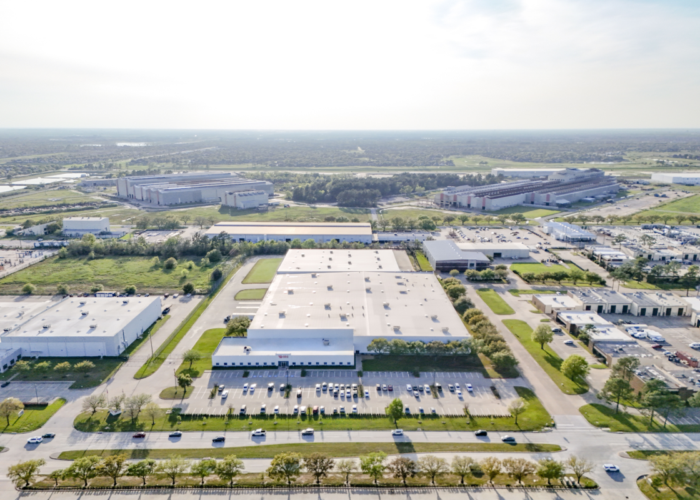
SiTec GmbH has developed innovative monosilane process technology that provides substantial energy savings compared to legacy processes and increase capital productivity. Marketed under the name ‘STAR’, for SiTec Applied Research products, the technology is applicable to both new and existing (retrofit) monosilane plants.
Problem
Try Premium for just $1
- Full premium access for the first month at only $1
- Converts to an annual rate after 30 days unless cancelled
- Cancel anytime during the trial period
Premium Benefits
- Expert industry analysis and interviews
- Digital access to PV Tech Power journal
- Exclusive event discounts
Or get the full Premium subscription right away
Or continue reading this article for free
Continuous cost reductions are required to make overall polysilicon production as cost effective as possible. Providing lower energy consumption, while boosting overall productivity from existing monosilane production plants, is required.
Solution
STAR technology begins with metallurgic silicon and produces electronic-grade monosilane for polysilicon and silane sale. A single-train hydrochlorination reactor provides up to 15,000MTA silane. STAR’s novel attributes reduce electrical and thermal energy requirement while debottlenecking the monosilane redistribution and refining train. New plants are said to experience best-in-class on-stream time and reduced costs, and up to 20% greater productivity from similarly sized equipment, compared to traditional plant designs. STAR is also claimed to provide up to 10% to 15% lower cash cost depending on geographic-dependent energy pricing.
Platform
Retrofitted plants will benefit by 20% greater capacity, and 25% reduced thermal and 10-15% reduced electrical energy costs in existing monosilane redistribution and refining trains. New plants will benefit by 25-30% plant-wide reduction in total energy usage. The payback period on retrofit investment is 2 to 6 months. The drop-in technology enables uninterrupted production during the retrofit process and produces electronic grade monosilane.
Availability
Currently available.