Microsoft met all of its electricity demand with renewables in 2025 and has said it will continue to do so through 2030.
The tech giant announced that it met 100% of its electricity demand with renewable energy last year, a “key milestone” in its commitment to become Carbon Neutral by 2030.
Try Premium for just $1
- Full premium access for the first month at only $1
- Converts to an annual rate after 30 days unless cancelled
- Cancel anytime during the trial period
Premium Benefits
- Expert industry analysis and interviews
- Digital access to PV Tech Power journal
- Exclusive event discounts
Or get the full Premium subscription right away
Or continue reading this article for free
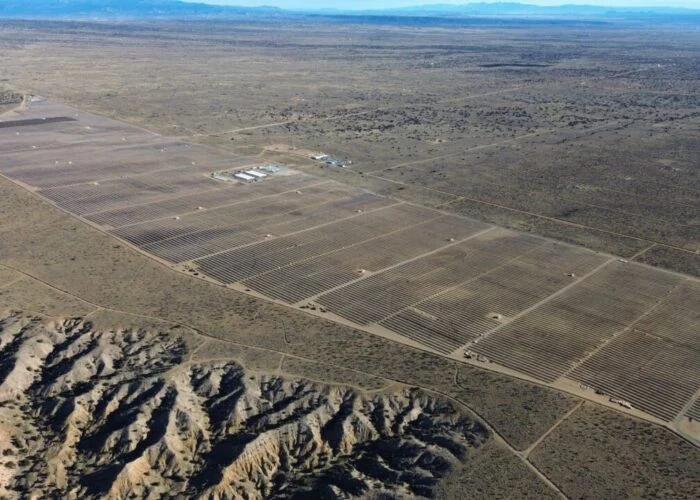
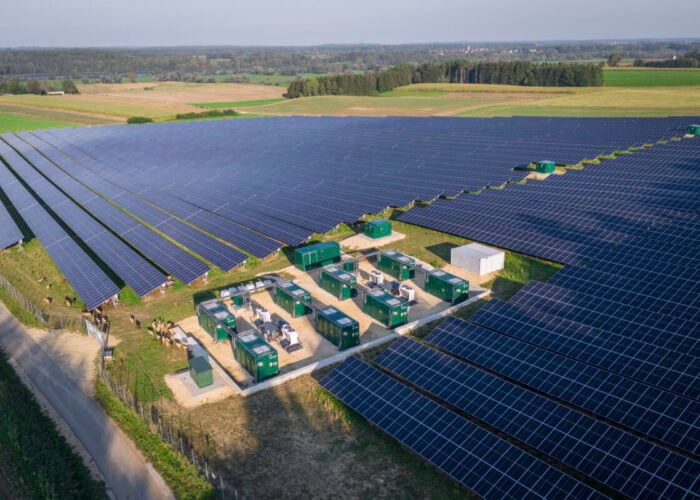
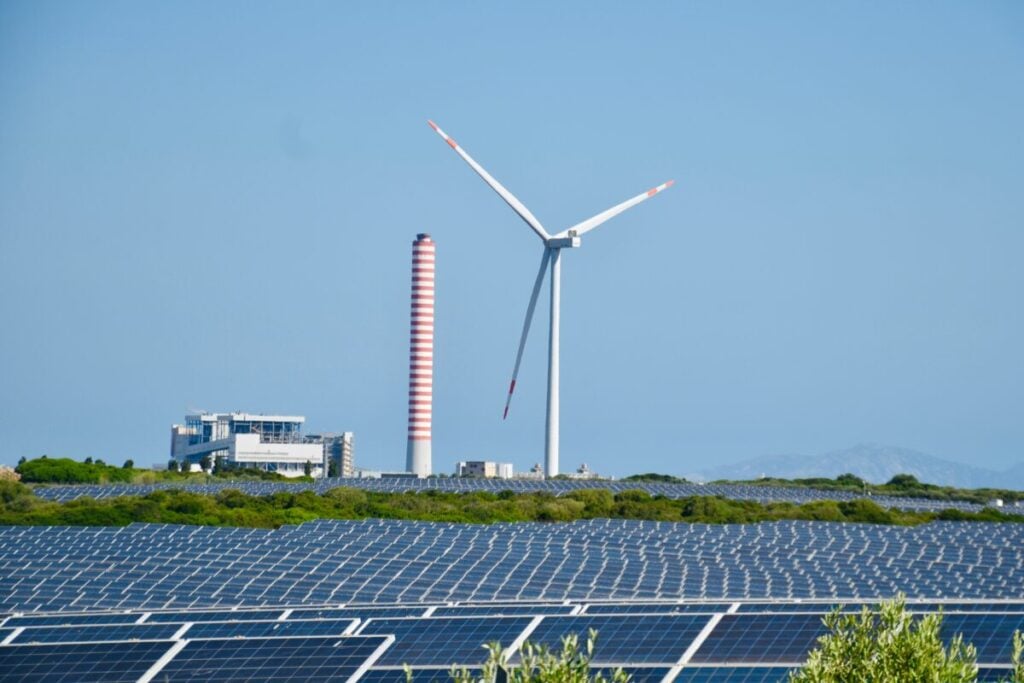
To date, Microsoft has contracted around 40GW of renewable energy capacity under power purchase agreements (PPA) across 26 countries, of which it said 19GW is currently operational. The capacity will power its expansion of data centres and AI operations, in which the company said it will invest US$80 billion this year.
AI-powered data centres will be the primary driver of power demand growth across the developed world in the coming years. Forecasts from both Goldman Sachs and S&P Global have estimated that data centre power demand will double by 2030, and the topic has become central to renewable energy industry discussions and prompted some novel solutions.
In response to Microsoft’s announcement, CEO of UK-based power procurement specialist Fidelity Energy, John Haw, said the plan “represents a smart recognition that energy is no longer just a cost of doing business. It is core infrastructure for the digital economy.
“Importantly, Microsoft has now met its 2025 target by contracting 40GW of renewable energy globally, primarily through long-term power purchase agreements,” Haw continued. “That is not a symbolic milestone. Contracts at that scale directly enable new projects to be financed and built.”
Microsoft’s signed its most notable renewables deal with Canadian asset manager Brookfield in 2024; a US$10 billion framework deal under which the tech firm will purchase over 10GW of renewable energy capacity across the US and Europe.
“When a company locks in that level of renewable supply, it sends a powerful demand signal to developers and capital markets.” Haw said. ”It demonstrates that clean energy procurement can underpin both decarbonisation and long-term operational planning.”
Assessing the scope of emissions reductions
Adding new low-cost power capacity to account for massive demand growth from data centres is crucial, both to avoid grid disruption and to prevent higher energy costs from increased demand being passed on to the public. Microsoft’s commitment to renewables procurement is undoubtedly significant for the industry, too, as are the plans of other so-called “hyperscalers” like Google.
But the environmental credentials of the plan leave some questions unanswered. The company’s plan to become “carbon negative” does not mean that all of its actual emissions will be eliminated, or that all of its power inputs will come from renewables. Claiming carbon neutrality or carbon negativity greatly depends on the alternative scenarios provided and what scopes are being measured.
The company said that it plans will require “a broader set of carbon-free energy and grid-enabling technologies, including nuclear energy, next-generation grid infrastructure and carbon capture technology.”
Microsoft said it has already invested in some of these, but given the time it takes to build, nuclear power is unlikely to provide significant capacity by the company’s 2030 deadline.
Moustafa Ramadan, head of PV Tech Market Research, said that Microsoft will likely struggle to meet a growing data centre demand with renewables alone.
“Given the load profile of data centres and the fact that most data centres try to pursue the five-nines rule of uptime [with 99.999% availability], the generation profiles of standard renewables won’t be enough, especially as they expand their fleet of data centres,” Ramadan said.
“If Microsoft wants to be exclusively green (not just have a net renewable energy position) and to meet its goals, it will have to consider a significant investment in energy storage too. Whether they choose to obtain some of their load from nuclear or hydro, both require a much more significant carbon investment by a third party—potentially undermining the mission that Microsoft is trying to complete.”
Carbon capture technology should also raise some alarm bells as a possible caveat to the company’s renewable energy ambitions. Given the massive scale of its data centre investment plans, Microsoft’s Scope 3 emissions from its indirect value chain will increase significantly. It said that its renewables procurement plan would contribute to “the reduction of Microsoft’s reported Scope 2 carbon dioxide emissions by an estimated 25 million tons”, but its announcement made no mention of Scope 3 inputs.
In a report published in 2021, Microsoft said it aims to “cut its own emissions by more than half by 2030, including our direct emissions and those of our entire supply and value chain.” As its direct energy consumption won’t cover all of this, it will necessitate carbon offsetting—such as strategic investment in carbon capture that would technically count towards Microsoft’s own emissions tally—to become “carbon negative”.
“Carbon capture and storage (CCS) has had very few economically justifiable opportunities and any deployment outside the further extraction of fossil fuel is proving to be elusive,” Ramadan explained. “Thus, it is not realistic for this technology to make any significant impact before the end of the decade. It might simply be a way for the company to delay taking more concrete steps in the near term.”
Ultimately, Microsoft’s renewable energy plans are significant for the energy industry and show the extent to which AI and data centre demand will need to be accompanied by fast and reliable new energy capacity. But technical realities raise real questions about the carbon reduction and emissions claims lying beneath the company’s impressive renewables investment.